Healing is a process,
which begins with
cleansing.
Learn about the phenomenon of vegetable and fruit fasting
and its salutary effects on health.

What is the diet of Dr. Dabrowska® ?
This is a four-stage nutritional model developed by Dr. Ewa Dąbrowska based on her 40 years of experience. Its most recognizable phase is the periodic Fast built around low-starch vegetables and low-sugar fruits. Thanks to the very restricted calorie intake (approx. 600–700 kcal per day), this regimen causes the body to deplete its glycogen stores and then burn its own fat, leading to ketone production. This metabolic phenomenon resembles a classical fast, which is why this stage is colloquially also called the vegetable-and-fruit fast. The key element of this process is ketogenesis, which triggers the body’s natural self-healing mechanisms. Following the principle that the root of disease lies in toxins and deficiencies, the vitamins, minerals, bioactive compounds, and enzymes found in the vegetables replenish those deficits and synergistically restore the body to a state of homeostasis.
A similar way of eating is described in the Bible, in the Book of Daniel (Dan 1:12–15):
“Please give us only vegetables to eat and water to drink… and let our appearance be better and healthier than that of the youths who eat the king’s food.”
For this reason, the regimen is also sometimes referred to as Daniel’s Fast.
How does vegetable and fruit fasting work?
The fruit and vegetable diet is based on natural plant ingredients that activate autophagy processes, support detoxification of the body and repair damaged cells. Vegetables and fruits are full of bioactive substances such as vitamins, polyphenols and micronutrients that promote health and improve the body’s balance.
Stages of Dr. Ewa Dąbrowska’s Diet®
Preparation for fasting
Elimination of products such as meat, coffee, and foods that cause intolerances.
Stage 1 - Preparation for fasting
This is the first, preparatory stage of the program, which facilitates a gentler transition into fasting. It is recommended to eliminate stimulants from the diet approximately one week before starting the fast – substances that affect the nervous system and can lead to addiction. These include: coffee, sugar, strong tea, alcohol, meat, tobacco, and drugs.
It is also worth eliminating products that the body may not tolerate – preferably after taking a food intolerance test (IgG).
Along with the elimination of stimulants, symptoms of so-called “withdrawal syndrome” may occur: headaches and dizziness, weakness, sleep problems, blood pressure fluctuations, low mood, or difficulty concentrating. In such cases, the following can be helpful:
- drinking more water,
- using enemas – which accelerate the removal of toxins and improve well-being,
- calming herbs, e.g., lemon balm, valerian, also magnesium
- moderate physical activity.
Skipping this stage often leads to intensified withdrawal symptoms during the fast.
Vegetable and fruit fasting
Detoxify
and rebalance
health.
Stage 2 - Vegetable and fruit fasting
This is the main phase of the treatment, lasting from a few days to several weeks. It involves consuming only:
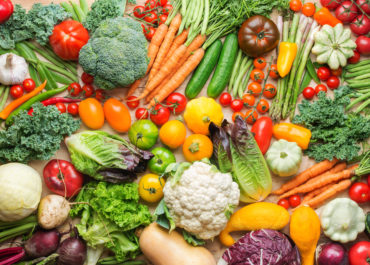
- low-starch vegetables,
- unsweetened fruits.
Such a fast provides approx. 800 kcal per day (for comparison: a traditional diet usually provides over 2000 kcal). The content of proteins and sugars is reduced fivefold, and fats – even twentyfold.
The permitted products have a low glycemic index, which lowers insulin levels — the hormone responsible, among others, for obesity, atherosclerosis, and certain cancers.
Allowed vegetables:
- Root: carrot, beetroot, celery, parsley root, radish
- Cruciferous: cabbage, cauliflower, broccoli
- Allium: onion, leek, garlic
- Cucurbit: pumpkin, zucchini, cucumber
- Nightshades: tomato, pepper
- Leafy and herbs: lettuce, parsley leaves, kale, basil
Allowed fruits:
- apples,
- grapefruits,
- lemons,
- small amounts of berries.
Vegetables and fruits can be consumed raw (salads, juices, fermented), or cooked (soups, and briefly steamed or stewed – ratatouille, vegetarian bigos).
Rules:
- vegetables should dominate over fruits,
- raw dishes should prevail over cooked ones,
- it is advisable to drink “green juices” (from kale, nettle, parsley, celery).
Allowed beverages:
- water,
- fresh juices,
- herbal and fruit teas,
- sugar-free compotes,
- vegetable broths.
Not allowed: bread, groats, oils, coffee, strong tea, alcohol, tobacco.
Strict adherence to fasting rules leads to the silencing of the hunger center in the brain — the craving for sweets, meat, and stimulants often disappears.
Exceeding 800 kcal by adding e.g. honey, dates, raisins may:
- interrupt autophagy,
- restore the feeling of hunger,
- weaken the effects of the treatment.
Physical, mental, and spiritual aspects
Fasting is not only a diet — equally important are silence, prayer, meditation, attending Holy Mass. Stress (e.g. divorce) may interfere with the treatment’s effects, as it increases cortisol levels and destabilizes metabolism.
Usually, physical activity is recommended during the fast:
- walking,
- exercise,
- Nordic Walking,
- swimming,
- strength training.
Detox-supporting treatments:
- enemas, hydrocolon therapy,
- massages,
- sauna,
- physiotherapy.
Sample daily menu
Morning (before breakfast):
1 glass of water with lemon and a pinch of unrefined salt or two teaspoons of apple cider vinegar
Breakfast:
- Tomato juice
- Beet kvass with garlic (served warm)
- Salad: carrot with apple and lemon
- Salad: sauerkraut, apple, chives
- Steamed broccoli with dill
Lunch:
- Green juice from apple and kale
- Salad: fresh cabbage, carrot, dill
- Salad: tomato with onion and pickled cucumber
- Cauliflower cream soup
- Apple compote (sugar-free, with cloves and cinnamon)
Dinner:
- Multi-vegetable juice
- Salad: celery stalk and white radish with broccoli sprouts
- Salad: grated apple with strawberries
- Cooked ratatouille with zucchini, tomatoes, onion, and pepper with herbal spices
- Mint tea
- ½ grapefruit
Diet versions
The most beneficial therapeutic effects come from consuming vegetables and fruits raw, as they contain enzymes, antioxidants (polyphenols, vitamins C and E, beta-carotene), chlorophyll, fiber, and trace elements.
Classic version (most commonly used): approx. ¾ raw, ¼ cooked vegetables and fruits.
Alternative versions (for sensitive individuals):
- juice-based: juices (tomato, multi-vegetable, green with lemon), and fruit, herbal teas, vegetable broths
- cooked: soups, cooked vegetables, ratatouille, baked apples with cinnamon
Note: long-term use of the cooked version may reduce the treatment’s effectiveness.
Elimination versions – examples:
- salt-free (for people with hypertension, swelling)
- raw only, without cooked products (for diabetics, people with obesity)
- IgG intolerance test-based diet – personalization improves effectiveness, especially in autoimmune diseases.
Example detox symptoms: runny nose, mucus in stool or urine, sinus cleansing (sometimes with traces of blood), tongue coating, skin eruptions, vomiting, diarrhea.
Contraindications to the fruit and vegetable diet
The diet is not recommended in the case of:
- strong fear of the diet, severe depression,
- use of immunosuppressive drugs (e.g. cytostatics, steroids),
- Addison’s disease (adrenal insufficiency),
- severe wasting diseases (e.g. end-stage renal failure, advanced cancers),
- increased caloric needs: hyperthyroidism, pregnancy, breastfeeding, adolescence,
- organ transplants,
- acute porphyria (rare genetic disease).
In emergency or severe disease situations, pharmacotherapy or surgery is often necessary, but in chronic conditions, many people choose the fruit and vegetable diet as a supportive or even alternative method.
During the diet, the following are most commonly observed: weight loss, reduction of swelling, normalization of blood pressure and glucose levels.
Medication recommendations
During fasting, metabolism changes significantly, so medication dosages should be adjusted — always under medical supervision. Since fasting addresses the root causes of many diseases, the need for medications gradually decreases.
- reducing antihypertensive and antidiabetic medications – under control of blood pressure and glucose levels
- caution with cholesterol medications (they may cause muscle pain and increased muscle enzymes, in such cases supplement with coenzyme Q10) (fasting normalizes cholesterol and its fractions)
- monitoring use of diuretics (e.g. spironolactone may cause breast development in men, diuretics may disturb electrolyte levels, especially sodium, potassium, magnesium)
- caution with anticoagulants — risk of bleeding and bruising,
- caution with steroidal and non-steroidal anti-inflammatory drugs – risk of gastrointestinal bleeding
- reducing insulin doses — may cause hypoglycemia,
- monitoring hormone levels, e.g. thyroid, after about 3 weeks of fasting and adjusting doses if needed,
- discontinuing fat-based supplements (e.g. omega-3, soy products)
The fruit and vegetable diet may trigger self-healing processes that, in some cases, allow for complete discontinuation of medications — provided a lasting lifestyle change accompanies it.
Course of treatment: healing crises
In the initial phase of fasting, as the body detoxifies, so-called healing crises may occur. These symptoms are short-lived and result from the intensive removal of toxins from tissues.
People who have previously undergone cleansing therapies or led a healthy lifestyle usually do not experience discomfort during subsequent fasts.
Research on a group of 320 people following the fruit and vegetable fast showed:
- headaches – 45%,
- abdominal pain – 43%,
- diarrhea – 34%,
- joint pain, insomnia, dizziness – 20% each,
- skin changes – 5%.
- other symptoms (vomiting, fever, blood pressure fluctuations) in isolated cases
These symptoms usually appear at the beginning of the treatment and subside spontaneously without the need for medical intervention. They are a sign of the body’s self-healing mechanisms being activated.
In case of symptoms, helpful measures include:
- enema or hydrocolon therapy — cleanses the intestines and accelerates toxin removal,
- physical activity,
- increased water intake
- adding honey and magnesium (temporary interruption of the fast)
Diarrhea may result from shedding damaged intestinal epithelium and regeneration of new tissue. It usually lasts about 36 hours. In that case, the juice-based or cooked version of the diet may be helpful. After this time, most patients can return to eating raw vegetables and fruits.
In the presence of hidden infections, symptoms of inflammation may occur:
- chills, fever, pain, swelling, redness,
- elevated ESR,
- increased antibody and acute-phase protein levels (CRP, fibrinogen).
They usually subside on their own after a few days, indicating activation of the immune system.
After going through the crisis, most patients feel a surge of energy and a marked improvement in health and well-being.
Exit
from fasting
Back to
full-fledged
nutrition.
Stage 3 - Exiting the fast
- Gradual introduction of complex carbohydrates:
Groats, starchy vegetables, sweeter fruits, seeds — combined with a small amount of plant-based fats. - Maintaining ketosis:
Continuation of the fruit and vegetable fast with the gradual inclusion of healthy fats (olive oil, olives, avocado, coconut oil) and a limited amount of carbohydrates.
For people with metabolic diseases (obesity, type 2 diabetes, hypertension, fatty liver), the first method is recommended — reducing fats promotes better health outcomes.
After the fast, one should avoid:
- hard-to-digest meals,
- fried and smoked products,
- cakes, alcohol.
Their sudden introduction may cause serious ailments or even require hospitalization.
The post-fast transition period does not have to last as long as the fast itself.
After a 2-week treatment, a few days to a week is often enough for a gradual return to regular nutrition, but a longer exit from the fast is not a mistake.
Long-term lifestyle change
Elimination of products such as meat, coffee, and foods that cause intolerances.
Stage 4 - Long-term lifestyle change
To continue reversing diseases, especially metabolic ones, a low-fat plant-based diet is recommended, based on:
- vegetables and fruits,
- whole grains, groats,
- legumes, seeds, nuts.
In this diet, fats constitute no more than 10% of total calories. It excludes all animal-derived products (meat, dairy, eggs, and fish).
If the goal is to maintain health, a good option is the Mediterranean diet, rich in:
- vegetables, fruits, whole grains, beans, nuts, olive oil,
- herbs and spices,
- small amounts of fish, poultry, eggs, yogurt, and milk.
The so-called Western diet is not recommended, characterized by:
- high content of processed foods,
- saturated fats, simple sugars, and salt,
- low intake of vegetables and fruits.
Regardless of the chosen diet, key factors are: regular physical activity, periodic returns to fasting, and a mindful approach to health.
How can Dr. Dabrowski’s Diet® help you?


Infertility – female diseases
Infertility can be a natural defense mechanism of the body that is activated when a woman’s body is not ready for pregnancy and the development of the embryo could be at risk. A vegetable-fruit fast may help restore fertility.
In comparison with conventional infertility treatments—such as pharmacotherapy, surgery, or in vitro fertilization—a vegetable-fruit fast offers a natural, non-invasive, and holistic alternative. Detailed information can be found in the book “Dr. Ewa Dąbrowska’s Diet. The Self-Healing Phenomenon of the Body. A Natural Method to Support Fertility.”
Polycystic Ovary Syndrome (PCOS)
Polycystic ovary syndrome is the most common cause of infertility in women. The key factor in its development is insulin resistance—a condition in which the body’s cells respond poorly to insulin.
A vegetable-fruit fast effectively reduces insulin resistance, lowers insulin and estrogen levels, and supports weight loss. This makes it possible to remove the root cause of PCOS and restore proper ovarian function.
Weight loss is the primary non-pharmacological element of PCOS treatment, and its effectiveness is supported by numerous scientific studies.
Fallopian Tube Blockage
Fallopian tube blockage accounts for up to 30% of infertility cases and is often an indication for in vitro fertilization. A vegetable-fruit fast activates the body’s natural regenerative mechanisms, such as phagocytosis (removal of adhesions by immune cells) and autophagy (elimination of damaged cellular structures), restoring tube patency and fertility.
Such a fast can also help combat infections that often accompany blockages, increasing the chance of restored fertility.
Recurrent Miscarriage
Recurrent miscarriage is one of the most common pregnancy complications. One of its causes can be chronic inflammation, often associated with obesity. Studies have shown that the risk of neonatal death increases by 55% when the mother is obese.
The Western diet, low in omega-3 fatty acids and high in omega-6, promotes inflammation and increases miscarriage risk. A vegetable-fruit fast supports weight reduction and restores the omega-3 to omega-6 balance, which greatly benefits women experiencing recurrent miscarriage.
Endometriosis
Endometriosis and uterine fibroids are benign reproductive disorders that can be effectively managed with a vegetable-fruit fast.
In endometriosis, retrograde menstruation occurs—fragments of the uterine lining travel through the tubes to the peritoneal cavity or other organs, where they form inflammatory lesions, cysts, adhesions, and scars. Fasting helps alleviate chronic pain and reduce symptoms. Food intolerance testing and potential supplementation with iodine, selenium, zinc, vitamin C, and B vitamins are also recommended. Best results are seen after longer fasting cycles (4–6 weeks).
Uterine Fibroids
These are the most common benign tumors of the uterus. Their growth is stimulated by estrogen, insulin, and insulin-like growth factor—substances that increase, among others, due to sugar and animal product consumption.
A vegetable-fruit fast limits these factors, and the bioactive compounds in plants—especially polyphenols—exert anti-inflammatory effects, supporting autophagy and phagocytosis mechanisms. Observations indicate that fibroid diameter may decrease by up to 1 cm for each week of fasting.


Autoimmune and infectious diseases
A vegetable-fruit fast can support the treatment of many autoimmune diseases, such as Hashimoto’s thyroiditis, rheumatoid arthritis, systemic lupus erythematosus, multiple sclerosis, liver cirrhosis, psoriasis, atopic dermatitis, or allergies (e.g., asthma, eczema). Beneficial effects are also seen in bacterial and viral infections. Vitamin D3 with K2 plays an important role in restoring immune function.
Autoimmune diseases are inflammatory conditions in which the immune system attacks the body’s own tissues. Key factors in their development include:
- Leaky gut – allowing undigested proteins to enter the bloodstream.
- Food intolerances – immune reactions to specific proteins (e.g., gluten, dairy, eggs, yeast).
- Cross-reactivity – similarity between dietary proteins and body tissues triggering an autoimmune response.
Fasting improves gut integrity, reduces inflammation, and helps restore immune balance. When using immunosuppressive drugs (e.g., steroids), the effectiveness of fasting may be diminished, and intolerance test results may be unreliable.
Hashimoto’s Thyroiditis
An autoimmune inflammation of the thyroid, where antibodies (anti-TPO, anti-TG) destroy thyroid cells, leading to hypothyroidism. A vegetable-fruit fast can lower antibody levels and, in some cases, even promote regeneration of damaged thyroid tissue. It is important to eliminate intolerant foods and monitor iodine intake.
Rheumatoid Arthritis (RA)
A disease in which the immune system attacks the synovial membrane of the joints (anti-CCP, RF antibodies). Fasting can reduce inflammation, pain, and swelling, and improve joint mobility—especially in early stages. It is crucial to exclude common intolerant foods (typically dairy, eggs, grains, and yeast).
Systemic Lupus Erythematosus (SLE)
Antibodies attack cell nuclei (ANA). Fasting helps lower antibody levels, reduces fatigue and pain, and improves lab results. Remember to eliminate any identified food intolerances.
Multiple Sclerosis (MS)
In MS, antibodies destroy the myelin sheath of neurons. Fasting may improve neurological function, reduce relapse rates, and alleviate symptoms of paralysis. Results are better when intolerant foods are removed.
Psoriasis
Skin lesions often regress after just one fasting cycle, even after years of disease. Continued adherence to an unprocessed plant-based diet and elimination of intolerant foods is key.
Atopic Dermatitis
Fasting relieves itching, redness, and skin cracking. It often leads to resolution of lesions and improved skin condition. Identifying and removing intolerant foods is also important.
Infectious Diseases
Fasting supports immunity. Initially, leukocyte counts decrease and defective cells are cleared; in later stages, stem cell populations increase to rebuild a robust immune system. Fasting also activates NK (“natural killer”) cells, which fight not only cancer cells but also viruses and bacteria, including Borrelia spirochetes. Transient symptoms during fasting (e.g., cold sores) may signal improved immunity.
Fasting has also proven effective in treating prolonged COVID, known as long COVID.


Degenerative diseases
Fasting can effectively support the treatment of degenerative conditions affecting, among others, the joints (osteoarthritis, Baker’s cyst, heel spurs), the gastric mucosa (stomach ulcers), cysts, periodontal disease, lens degeneration of the eyes (cataracts), and more.
Osteoarthritis is a progressive disorder characterized by damage to the articular cartilage. The key mechanism driving its development is an imbalance between cartilage repair and degradation. Metalloproteinase enzymes, responsible for breaking down collagen and proteoglycans, accelerate this process in response to inflammation. Their activation is promoted, among other factors, by a diet rich in simple sugars and trans fats.
Fasting can effectively slow cartilage degradation while supporting regenerative processes. It reduces inflammation and activates the body’s cleansing mechanisms, such as phagocytosis (removal of damaged cells) and autophagy (cellular cleanup). Under fasting conditions, cartilage stem cells may differentiate into new chondrocytes, which promotes joint repair.
Additionally, plant polyphenols have the ability to inhibit metalloproteinase activity, thereby protecting joint structure. As a result, patients often experience reduced pain, relief from contractures, improved range of motion, and even the straightening of previously locked joints—all without the need for surgical intervention.


Cancer prevention
In the face of rising cancer incidence, effective prevention becomes a priority. More and more studies point to the beneficial impact of fasting.
Fasting works on multiple levels in cancer prevention and as an adjunct to therapy.
It exhibits anti-inflammatory effects, activates autophagy (the process of removing damaged cells), lowers insulin and other growth factors, thereby contributing to the inhibition of cancer cell proliferation. Additionally, it enhances the activity of NK cells (natural killer lymphocytes), which are responsible for directly destroying cancer cells.
All malignant tumors share a common trait – they derive energy primarily through anaerobic glycolysis, even in the presence of oxygen. This contrasts with healthy cells, which rely on oxidative phosphorylation. Glucose is the main energy source for tumors. During fasting, however, the body’s primary fuels become ketone bodies and fatty acids – products of fat breakdown that cancer cells cannot efficiently use. As a result, the tumor can be “starved.”
Vegetables and fruits play an additional role in the fight against cancer, as they are rich sources of polyphenols – compounds with anticancer properties. They also provide valuable fiber, vitamins, and minerals that support the immune system.
Undergoing a controlled fast, especially before planned chemotherapy or radiotherapy, can increase cancer cells’ sensitivity to treatment while protecting healthy cells from the therapy’s toxic effects. Polyphenols in the diet may also target cancer stem cells and block angiogenesis – the formation of blood vessels within the tumor – effectively limiting its further growth.


Hypertension
Hypertension is one of the most common diseases in the world, especially prevalent in developed countries. It is a serious health condition because it is a major risk factor for heart attack and stroke.
It can develop silently for years, although it is often accompanied by symptoms such as headaches and dizziness, fatigue, shortness of breath, heart palpitations, or a feeling of tightness in the chest.
One of the main causes of hypertension is the so-called Western diet—rich in processed foods, salt, fats, and sugars, and poor in fruits and vegetables. The latter provide potassium and antioxidants that help regulate blood pressure by neutralizing free radicals. Free radicals damage endothelial cells in blood vessels, reducing the production of nitric oxide—a vasodilator. As a result, vessels constrict and pressure rises. Fasting and diets high in plant polyphenols help neutralize free radicals, thereby supporting nitric oxide production and lowering blood pressure.
Under normal conditions, insulin also stimulates nitric oxide production. However, in insulin resistance—when insulin levels are chronically elevated—the effect is reversed, and blood pressure increases. This happens due to sympathetic nervous system activation, increased sodium reabsorption in the kidneys, weight gain, and angiotensinogen production by visceral fat. Additionally, dehydration can contribute to hypertension.
The most effective approaches for lowering blood pressure are fasting and plant-based diets. They reduce oxidative stress, decrease visceral fat (limiting angiotensinogen production), support nitric oxide production, and raise adiponectin levels—a hormone with anti-inflammatory and hypotensive effects.
The results of a vegetable-fruit fast are impressive: after just one week of treatment, over 70% of patients saw their blood pressure return to normal. Regular physical activity also supports this effect.


Metabolic diseases
Fasting supports reduction of excess body fat and reverses liver steatosis. As a result, cellular insulin sensitivity improves, which is crucial because insulin resistance underlies many metabolic diseases: type 2 diabetes, atherosclerosis, hypertension, lipid disorders, and gout. Therefore, treating one of these conditions can also bring improvements in others.
More information can be found in the book “Dr. Ewa Dąbrowska’s Diet. The Self-Healing Phenomenon of the Body. How to Reverse Diabetes, Atherosclerosis, Hypertension, and Obesity.”
Obesity
Despite decades of research and huge financial investments, effective methods for treating obesity and metabolic diseases are still lacking.
The main cause of obesity is an unhealthy lifestyle – primarily excessive consumption of processed foods and lack of physical activity.
A vegetable-fruit fast combined with exercise directly addresses the root causes of these diseases: excess calories and lack of movement.
Obesity is a hormonal disorder. Two hormones play a key role: insulin (produced by the pancreas) and cortisol (the stress hormone produced by the adrenal glands). A diet rich in processed carbohydrates (e.g. pizza, white bread, sweets) leads to increased insulin levels. Excess insulin can reprogram metabolism toward fat storage.
During fasting, insulin levels drop, which triggers weight loss and reversal of metabolic diseases.
Visceral (abdominal) obesity is particularly dangerous – visceral fat acts like a gland that secretes proinflammatory substances (adipokines), which promote insulin resistance and inflammation. Fasting reduces visceral fat, inhibiting adipokine production, and thus eliminates one of the main causes of metabolic disorders.
Additionally, fasting may alleviate conditions such as sleep apnea, snoring, deep vein thrombosis, and gout.
Type 2 Diabetes
Type 2 diabetes is one of the most common metabolic diseases, associated with impaired glucose metabolism and insulin resistance – that is, reduced ability of cells to respond to insulin.
As early as 1963, Philip Randle proved that fats and sugars compete with each other as energy sources. When fats reach cells first, they block insulin action. If the liver and muscles become fatty, insulin cannot effectively “open the door” for glucose – leaving it in the blood.
As a result, blood sugar levels rise, and the pancreas produces more and more insulin to “push” excess glucose into cells for burning. Insulin can exacerbate atherosclerosis and other vascular complications. Diabetes can progress silently for years – with a normal glucose level but chronically elevated insulin.
Even healthy fats, such as vegetable oils, can worsen insulin resistance if consumed in excess. Conversely, natural carbohydrates, like fruits (even sweet) or potatoes, do not cause insulin resistance – provided they are not accompanied by excess fat.
A vegetable-fruit fast, by reducing visceral fat and organ steatosis, improves insulin sensitivity. It can also restore pancreatic function and lead to disease reversal.
Additionally, fasting can limit or even reverse diabetic complications:
- polyneuropathy (nerve damage),
- nephropathy (kidney damage),
- angiopathy (vascular damage, e.g., diabetic foot),
- retinopathy (vision damage).
After just one week of a vegetable-fruit fast, over 80% of patients observed normalization of glucose levels.
Atherosclerosis
Atherosclerosis is a chronic inflammatory disease of the arteries, leading to plaque buildup and narrowing of blood vessels.
Reduced blood flow to the heart or brain can result in a heart attack or stroke. Ischemic heart disease, resulting from atherosclerosis, remains the leading cause of death worldwide.
Atherosclerosis can develop even from childhood. For many years it progresses without symptoms. Lifestyle – especially a diet rich in processed foods and lack of exercise – plays a key role in its development. The so-called Western diet promotes lifestyle diseases, including atherosclerosis.
The 1994 INTERHEART study showed that the risk of heart attack can be reduced by up to 80% by following three principles:
- eat vegetables and fruits,
- be physically active,
- do not smoke cigarettes.
Atherosclerosis begins with damage to the endothelium – the inner lining of blood vessels. One cause can be vitamin C deficiency. Its lack causes free radicals to oxidize “bad” LDL cholesterol, which immune cells then deposit in the vessels, leading to inflammation and plaque formation.
Fasting and a plant-based diet are effective methods for preventing and treating ischemic heart disease. Reducing fat, especially visceral fat, increases adiponectin – a substance with anti-inflammatory effects that raises HDL, lowers blood pressure, and improves insulin sensitivity.
Physical activity:
- improves circulation and oxygenation of the heart muscle,
- supports the formation of new blood vessels,
- increases the number of mitochondria, which improves heart performance.
After just one week of fasting, many patients experience relief from shortness of breath and chest pain, as well as improved exercise tolerance. A six-week regimen can lead to reversal of atherosclerotic changes and normalization of cholesterol levels.


Strengthening health
Regular use of fruit and vegetable fasting can effectively promote body cleansing and strengthen health, both body and spirit.
Fasting, although most often associated with healing, is primarily an effective method of prevention. Strengthening health in healthy people remains often underestimated, yet many diseases take years to develop without showing obvious symptoms.
Even short, intermittent fasts help cleanse the body of toxins, provide bioactive plant compounds and micronutrients, and restore the physiological balance of the body. Regularly practiced fasting can prevent many chronic diseases.
It has been observed that people with diabetes, atherosclerosis, peptic ulcer disease or collagenosis who switch to a healthy plant-based diet and practice fasting often experience improved health. Fasting can also aid in the treatment of infertility.
One of the key effects of fasting is the strengthening of the immune system, then infections, colds, tonsillitis disappear, sleep quality, concentration, memory improve. Sometimes there is a so-called clarity of mind, promoting personal development. Individuals regain passion, take on new challenges, start businesses, return to work or study.
Seniors who regularly practice fasting look younger, are full of energy, and their examinations (e.g., ECGs) often show no atherosclerotic changes.
Man is a unity of body, mind and spirit. Fasting can restore balance between these spheres. Renunciations promote self-control, kindness, deepening of relationships and spiritual growth. Sometimes it leads to a deeper experience of life and even conversion.


Strengthening health
Regular practice of vegetable–fruit fasts can effectively support the body’s detoxification and strengthen health, both physical and spiritual.
Although fasting is most often associated with therapy, it is primarily an effective preventive method. Strengthening the health of healthy individuals often goes undervalued, while many diseases develop for years without clear symptoms.
Even short, periodic fasts help cleanse the body of toxins, provide bioactive plant compounds and micronutrients, and restore physiological balance. Regular fasting can prevent many chronic diseases.
It has been observed that people with diabetes, atherosclerosis, peptic ulcer disease, or collagenoses who adopt a healthy plant-based diet and practice fasting often experience health improvements. Fasting can also support infertility treatment.
One of the key effects of fasting is strengthening the immune system, after which infections, colds, and sore throats disappear, sleep quality, concentration, and memory improve. Sometimes a so-called clarity of mind emerges, conducive to personal development. People regain passion, take on new challenges, start businesses, and return to work or studies.
Seniors who regularly practice fasting look younger, are full of energy, and their tests (e.g., ECG) often show no atherosclerotic changes.
A human is a unity of body, mind, and spirit. Fasting can restore balance between these spheres. Abstinence promotes self-control, kindness, deeper relationships, and spiritual growth. Sometimes this leads to a deeper experience of life and even spiritual renewal.
Services to support the diet of Dr. Ewa
Dabrowska®

Dr. Dabrowski’s Official Catering
Many years of experience from now enclosed in a box!

Access to lectures by Dr. Ewa Dabrowska
Access to exclusive lectures by Dr. Ewa Dabrowska, in which the author shares invaluable knowledge on natural methods of cleansing and regeneration of the body.

Dr. Dabrowski’s application
In the app, you will find ready-made menus for each of these stages, but also a number of features to introduce new healthy habits into your daily life.

Meet Dr. Ewa Dabrowska’s line of supplements
What supplements will complement your healthy eating style?

What supplements will complement your healthy eating style?
Over 30 years of experience of Dr. Ewa Dabrowska in one application
Now you can freely draw on her knowledge
and easily achieve your goal!


We promote a healthy lifestyle!
Live a healthy life!
The establishment of Dr. Ewa Dabrowska’s Institute for Health Promotion as a training and research facility in 2018 was the culmination of a dream for the author of the fruit and vegetable diet.
Years of experience with the vegetable and fruit diet, which in its essence is a variation of fasting, can now go out into the world and serve many people in regaining their health.
Order and handle catering through a dedicated app
Select your preferred diet | Place orders | Select meals | Evaluate meals | Earn points.